Board & Classic
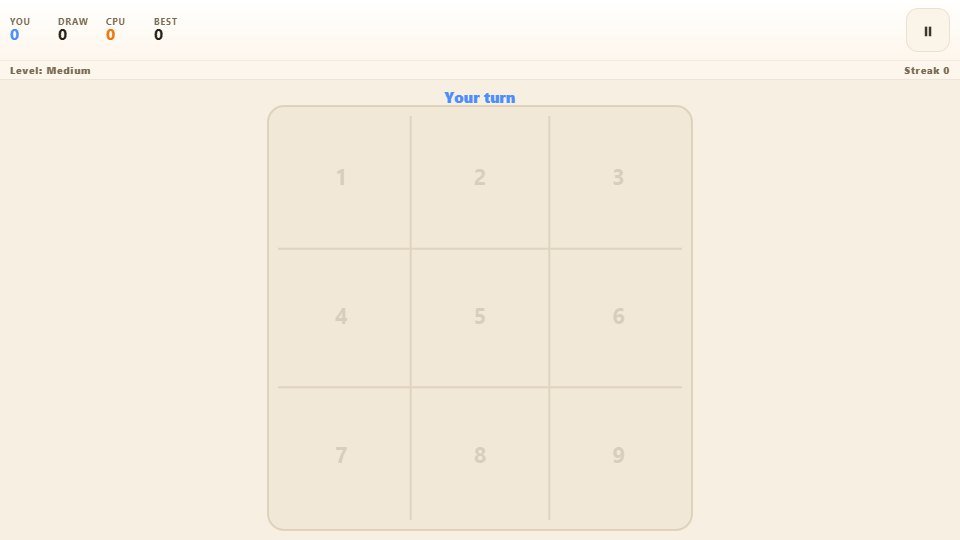
Three in a Row — You Move First
Nine squares, an opponent that never rushes and the first move always yours. Hard mode does not forgive a lazy corner.
Four pads, one sequence and a memory that gets shakier every level. One wrong tap sends you back to the start.
Simon Says is a memory game disguised as a colour game. A sequence of pads lights up in order, and you repeat it. Each round adds one more step, and the sequences grow quietly until the point where most people fail. It is the purest test of short-term sequence memory we carry, and unlike most memory games it becomes difficult at a pace you can feel happening.
Simon Says lights up a sequence of coloured pads, then asks you to reproduce it exactly. Each successful round adds one more step, so the game ends precisely when your short-term memory does. There is no strategy to hide behind and no luck involved — only how much of the last ten seconds you can hold.
Reciting a long sequence step by step collapses around the seventh or eighth item for most people. The trick is grouping: treat two or three consecutive pads as a single unit, and memorise the units instead of the individual lights. A nine-step sequence becomes three chunks, which is well within reach.
Sequences often feel rhythmic, and rhythm is easier to retain than a string of symbols. Hearing the sequence as a beat, or as a shape that moves around the pad layout, gives your memory a second channel to hold onto when the first one starts to slip.
As the sequence grows the pads flash faster, so the moment your recall slows down you also lose the time to act on it. Practising at a steady, deliberate pace with shorter sequences builds the transferable skill better than scraping through a long one by luck.
Two minutes is enough for a full round, and the score is a clean measure of improvement since nothing else varies. It pairs naturally with Memory Match, which trains a different part of the same short-term system, and with the rest of the Board & Classic collection.
Who it suits: Excellent for a child learning to concentrate and for an adult who wants a genuinely measurable memory challenge.
There is no cap imposed by the game. In practice, human short-term memory sets the ceiling, and most players plateau somewhere between twelve and twenty steps.
It does. Pads flash faster as the sequence lengthens, so the challenge combines memory load with a shrinking window to respond.
Audio is a helpful cue rather than a requirement, and the game is fully playable silently. Many players find the visual pattern alone is easier to chunk.
It exercises working memory and attention, which are exactly the skills it tests. Improvement usually shows up within a week of short, regular sessions.
Most players reliably reach seven to nine steps. Beyond that, chunking stops helping and it becomes a measure of raw short-term capacity, which is why scores cluster in that range.
It trains sequence memory specifically, so the benefit is narrow but real. The bigger practical gain for most people is simply practising sustained attention for a few minutes.
memory pattern simon tap brain training reflex
Nine squares, an opponent that never rushes and the first move always yours. Hard mode does not forgive a lazy corner.
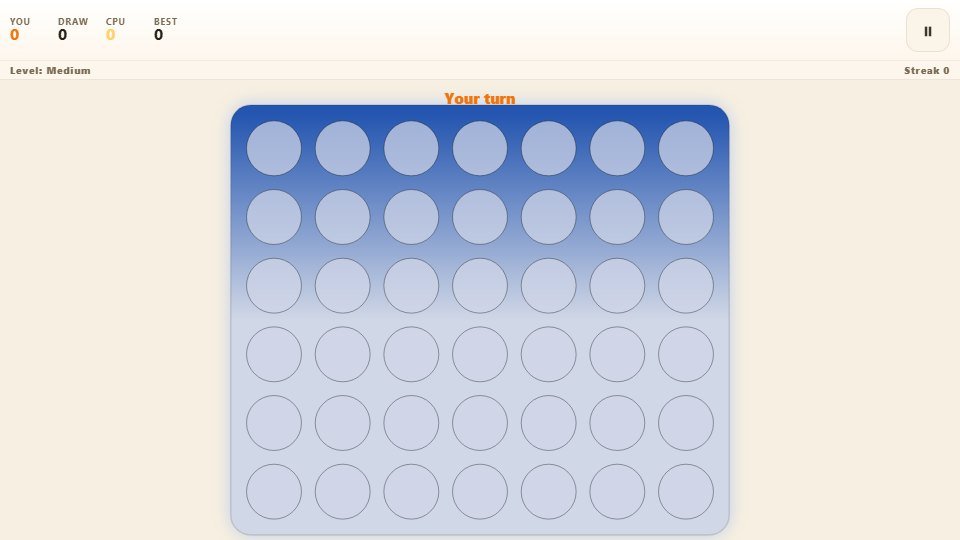
Seven columns, gravity doing the work, and four in a line to win it. Build the trap before your opponent sees it coming.
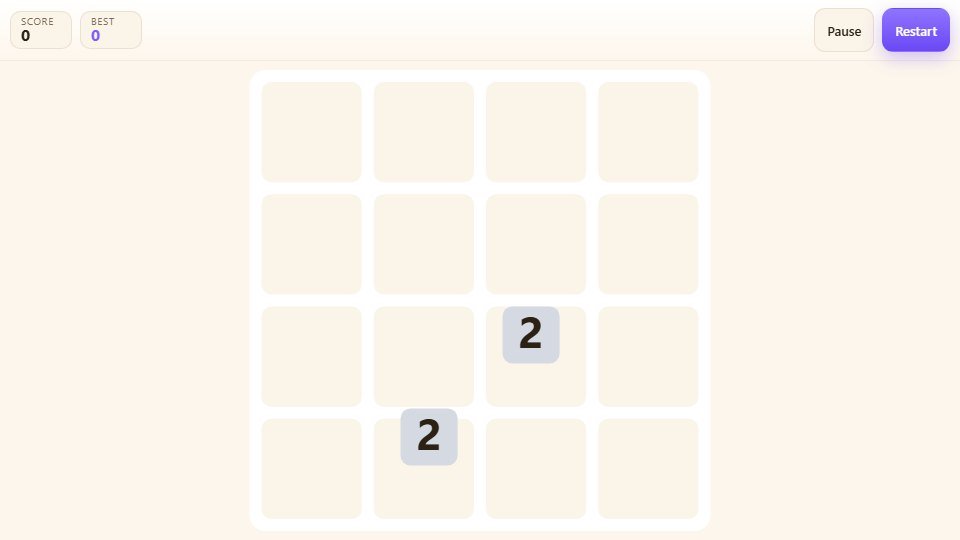
Two tiles, one thumb. Slide the board, merge the twins and build a 2048 block before the grid fills up.