Puzzle
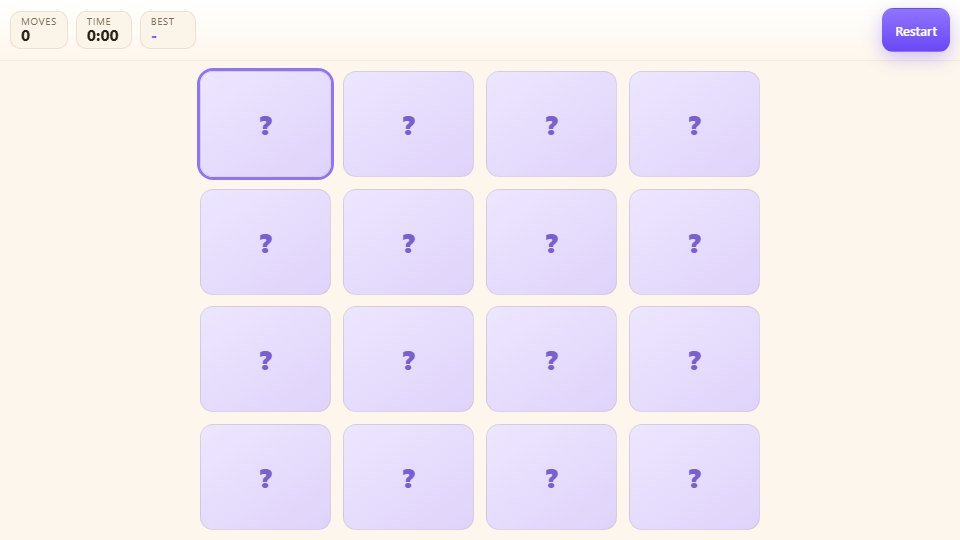
Memory Pairs — Flip & Recall
Sixteen cards face down, eight pairs to find. Every flip shows how much attention you were actually paying.
Two tiles, one thumb. Slide the board, merge the twins and build a 2048 block before the grid fills up.
2048 is the game that turned a simple arithmetic idea into a decade-long habit for millions of people. You slide a four-by-four grid in one of four directions, identical numbers merge into their double, and a new tile appears after every move. The target is a single 2048 tile. It never times you, never asks you to sign in, and never punishes you for putting it down mid-game — which is exactly why it survives as a browser game long after more complicated titles have been deleted from phones.
Sixteen squares, two starting tiles, and one instruction. That is the entire rulebook of 2048 Merge, and it is exactly why the game has stayed on browser game lists for a decade. Nothing is hidden from you. Every loss can be traced back to a decision you made four moves earlier, which makes improvement feel earned rather than lucky.
Tiles merge only when they are equal, and each tile may merge only once per slide. Push left on a row of 2, 2, 2, 2 and you do not get an 8 — you get a 4 and another 4, because every tile finds a single partner and stops. Grasping that limitation is the difference between a player who stalls around 256 and one who eventually reaches the top tile, since chained merges are the only way large values ever appear.
New players pick a direction and swipe. Stronger players scan all four edges first and ask a different question: which slide opens the most space, rather than which slide banks the most points? Points are a by-product. Empty cells are the real resource, and a board with three free squares and a clear merge path will outlast a board that just collected a big number but walled itself in.
Nearly every failed attempt ends the same way. A small tile gets stranded in the corner you were treating as home, and the structure collapses while you try to dig it back out. Once the anchor corner is compromised the board fills from the top down and the final moves play themselves. Guarding that corner matters more than any single merge you could chase.
The whole game fits one screen, pauses the instant you leave the tab, and never runs a clock. A ten-second interruption costs you nothing, which is what makes it a natural fit for a train ride or a waiting room. If you want a calmer number puzzle to alternate with it, Sliding Puzzle scratches a similar itch, and the rest of the Puzzle shelf is worth browsing once this one starts feeling automatic.
Who it suits: Best for anyone who wants to unwind with something that still makes them think. It suits a ten-minute commute perfectly and is the single friendliest introduction to puzzle games we carry.
Almost entirely skill. New tiles appear at random, but where they land is decided by how you cleared the board beforehand. Consistent players reach high tiles because they keep the grid tidy, not because they get lucky draws.
Commit to two directions only, keep your largest tile pinned in one corner, and never swipe in the direction that would pull it out of that corner. Doing just those two things carries most players past 512 within a handful of attempts.
The rules never change and the spawning stays the same. Difficulty rises purely because your board fills up, which is a consequence of your own choices rather than any increase in game speed.
Your best score is kept in local storage on your device, so it stays put. An in-progress board, however, is not saved — if you close the tab mid-run, you start a fresh grid next time.
Yes — the game ends when the board is full and no two adjacent tiles match. It is a slow loss, not a sudden one, which is why almost every defeat is traceable to a specific careless move earlier.
Reaching the 1024 tile is a solid milestone, 2048 is the real goal, and anything past that is a bonus. Most players get there by playing consistently rather than by playing for hours at a time.
numbers merge logic puzzle swipe offline casual
Sixteen cards face down, eight pairs to find. Every flip shows how much attention you were actually paying.
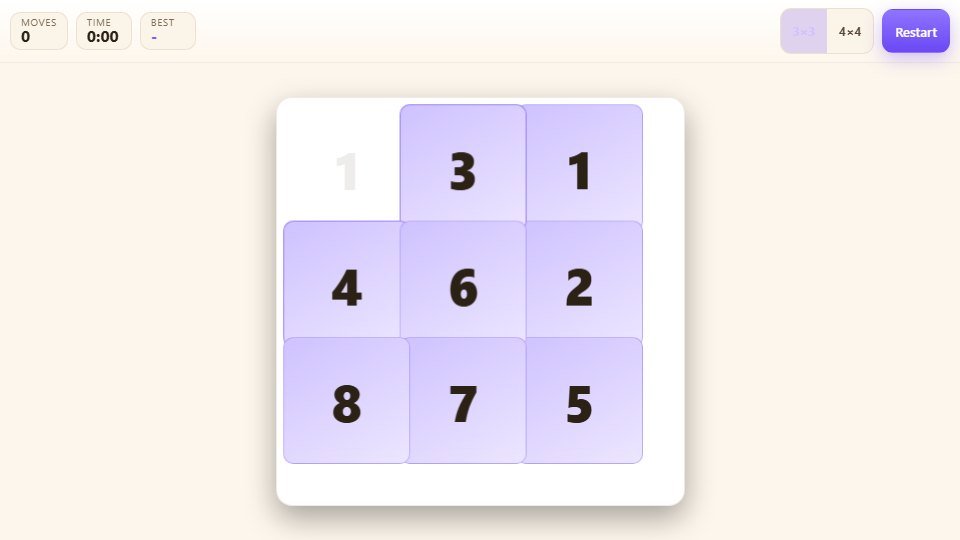
One empty square is all the room you get. Shuffle the digits back into order with as few moves as you can manage.
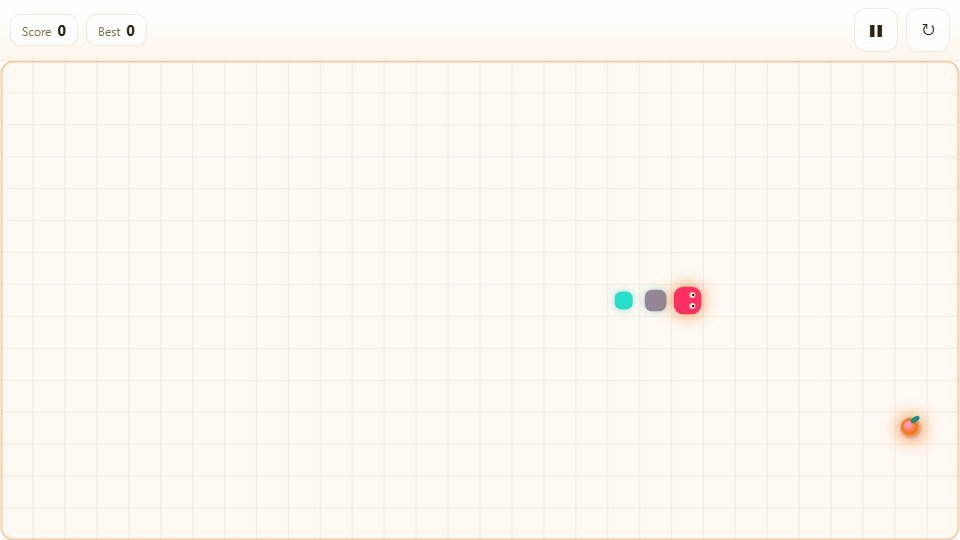
The oldest rule in arcade gaming: every pellet makes you longer and every turn gets tighter. How long can you hold on?