Arcade
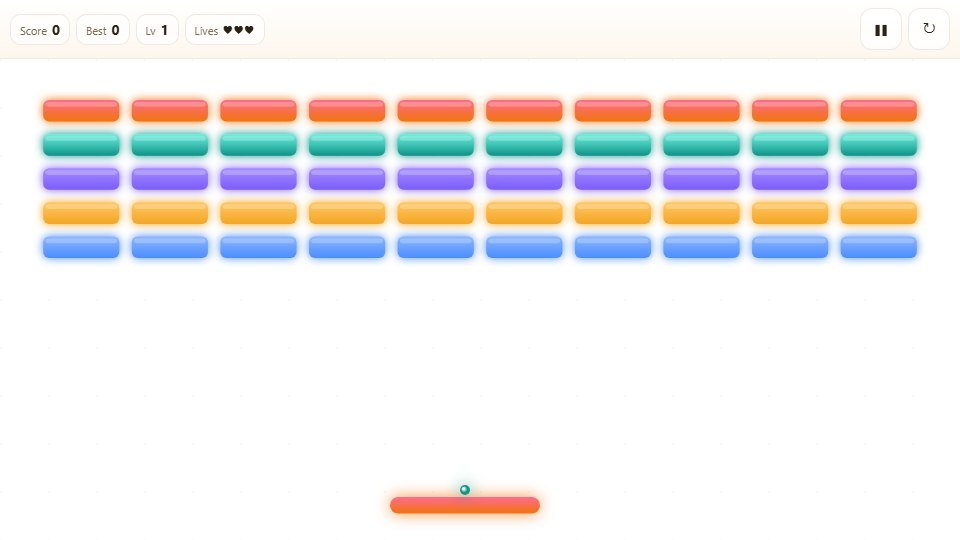
Wall Breaker — Five Rows Down
Five rows of bricks, three lives and a paddle you will swear is moving too slowly. Catch the drops or start over.
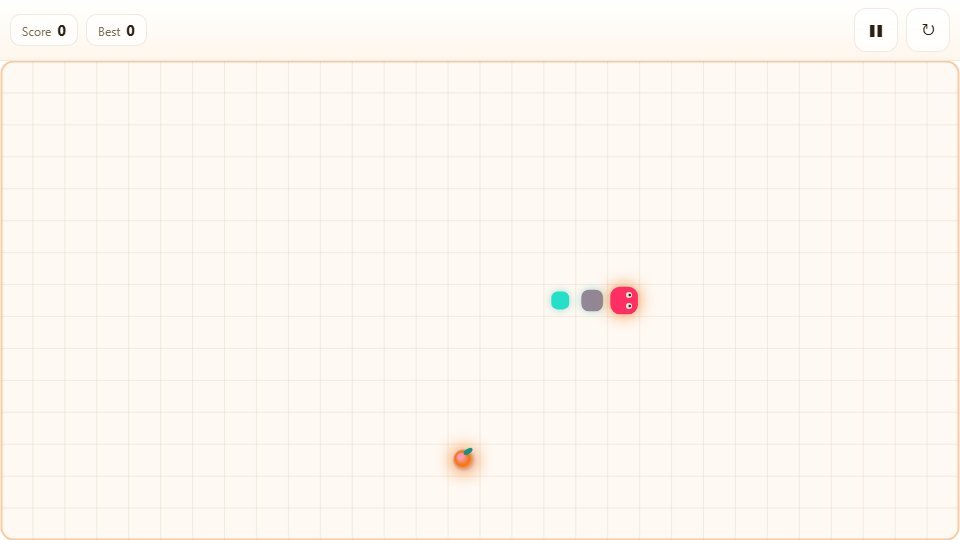
The oldest rule in arcade gaming: every pellet makes you longer and every turn gets tighter. How long can you hold on?
Snake has been making people greedy for forty years. You steer a lengthening line around a walled field, eat what appears, and try not to collide with the walls or, eventually, yourself. The rules fit in one sentence and the tension is entirely self-inflicted: the longer you get, the less room you have, and the mistake you make at length twenty is one you would never make at length two. That is the whole design, and it still works.
Snake Classic is the purest scoring game on the site. You steer a lengthening line around a walled field, eating items to grow and add to your score. The complication is entirely self-inflicted: every point of growth makes your own body a bigger obstacle, until eventually the thing that kills you is the shape you built yourself.
New players die by hitting the wall. Experienced players die by sealing off a pocket of the field with their own body, then having nowhere left to turn. The line between those two deaths is spatial awareness: always know how much open room remains, and whether your current heading leaves you an exit.
Rather than wandering the middle, run tight circuits around the perimeter once your snake is long. Circles keep the interior clear, so you have a large open area to retreat into when a food item spawns somewhere awkward. Snaking back and forth across the middle looks efficient early on and becomes a coffin once you pass a certain length.
As the snake gets longer the game often speeds up, and that is where most runs end. Turning two moves before you think you need to is the habit that separates a long game from a short one, because the response window shrinks with every bite.
One control scheme, one rule, no timer, and a score you can beat in under a minute. It is also a good companion to Sliding Puzzle when you want something active rather than thoughtful, and the other Arcade titles work the same way.
Who it suits: Perfect for a sixty-second break. A run ends quickly whether you are good or bad, which is precisely why it is so easy to pick up and put down.
The pace increases as your score climbs, which is deliberate — it keeps the late game tense and means a long snake is genuinely harder to steer than a short one.
Yes. Swiping in a direction turns the snake that way, and the controls are responsive enough for precise cornering once you get used to short, deliberate swipes.
The run ends. Turning directly back into your own body counts as a collision, so every turn needs to leave you a route out rather than doubling back.
In practice the field limits it, since the snake cannot grow beyond the space available. Reaching that point is a sign of a near-perfect run.
Yes. Speed increases as you eat, which means your reaction window shrinks exactly as your snake becomes harder to manage. The two pressures compound, and that is the source of the game's tension.
Anything past a length of twenty is a good run, and thirty means you are planning rather than reacting. Most short runs end because of a rushed grab near a wall.
snake arcade retro swipe high score endless
Five rows of bricks, three lives and a paddle you will swear is moving too slowly. Catch the drops or start over.
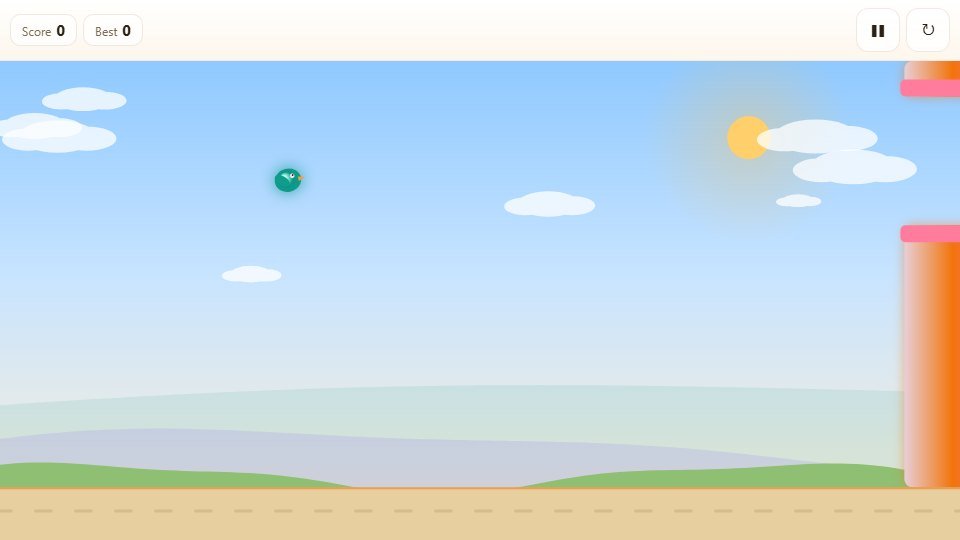
One tap lifts you, gravity does the rest. Thread the pipes until the gaps turn mean — nobody's first run is their best.