Puzzle
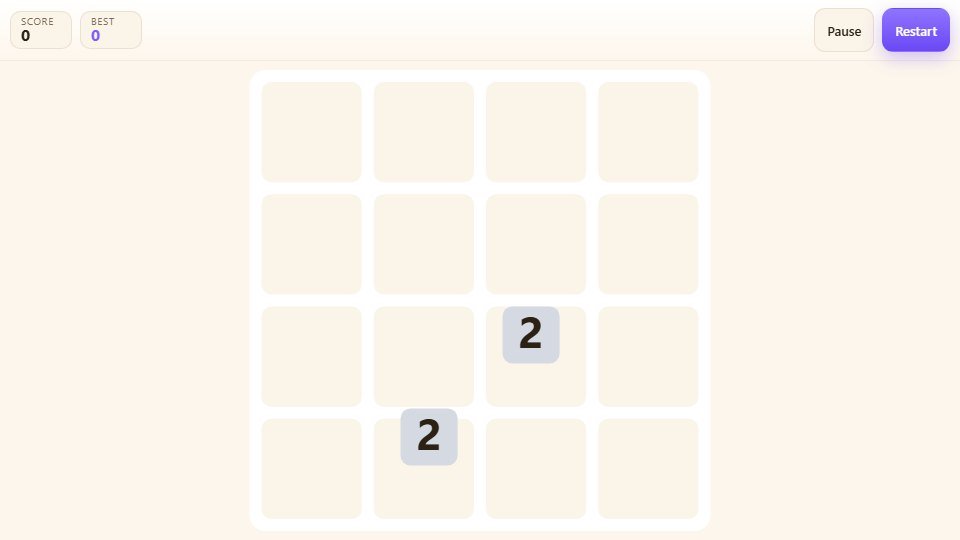
2048 Blocks — Merge the Numbers
Two tiles, one thumb. Slide the board, merge the twins and build a 2048 block before the grid fills up.
Number games, logic grids and brain teasers you can finish in a coffee break.
Two tiles, one thumb. Slide the board, merge the twins and build a 2048 block before the grid fills up.
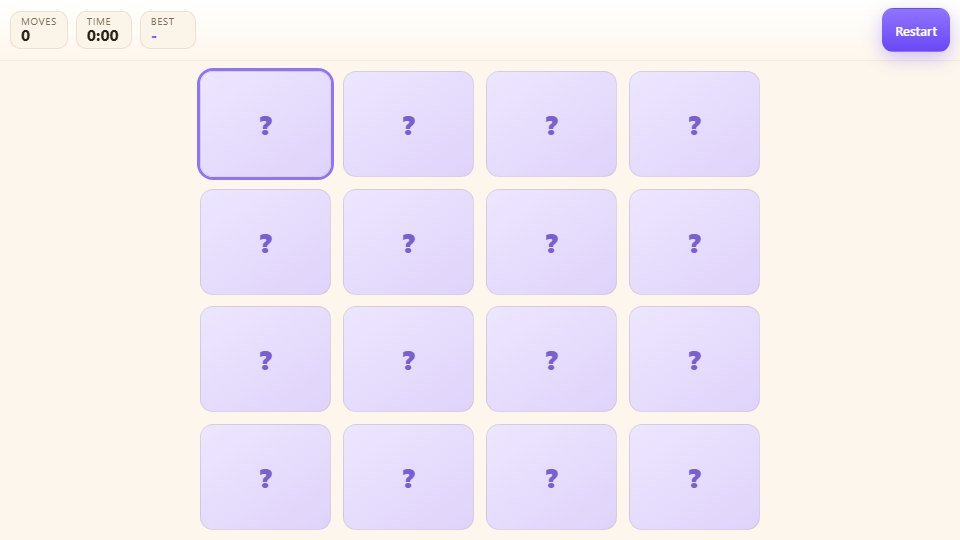
Sixteen cards face down, eight pairs to find. Every flip shows how much attention you were actually paying.
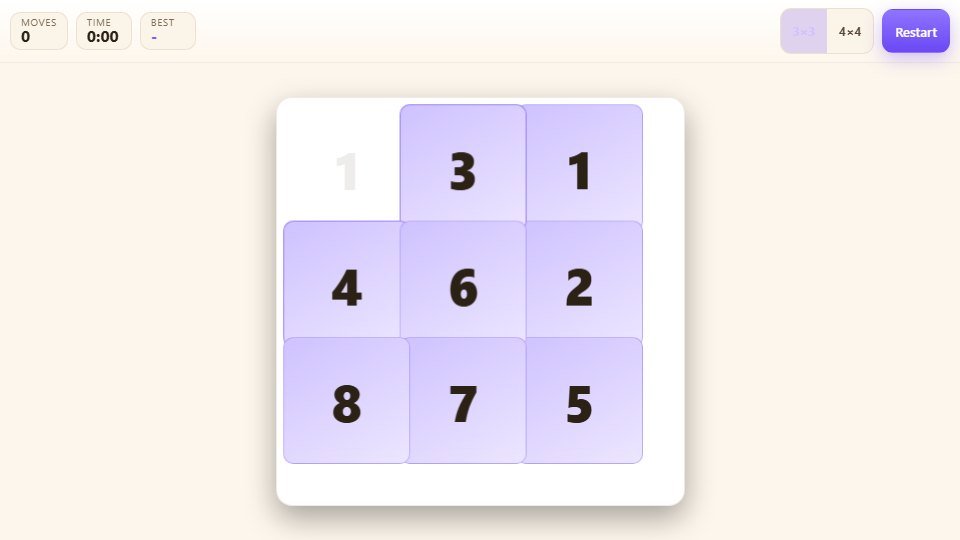
One empty square is all the room you get. Shuffle the digits back into order with as few moves as you can manage.
A puzzle game earns its place on your phone when it respects two things: your time and your data. Every game in this category opens in under two seconds on a 4G connection, keeps no account, and can be closed mid-move without losing anything. That sounds like a small thing until you have tried to abandon a 900 MB app that insists on finishing a tutorial before it will let you leave.
Sitting in a Malaysian context, our puzzle line-up is built around the way people actually play here: on a mid-range Android phone, during a ten-minute LRT ride, often with one hand while holding a bag. Nothing needs a stabiliser, nothing needs a second screen, and nothing punishes you for stopping halfway.
If you want something to unwind with, start with a number-merging game — the rules take ten seconds to explain and there is no way to lose permanently. If you want to feel your brain working, take a deduction game and give it your full attention for five minutes rather than playing it half-distracted. If you are playing with a child, matching games are the safest choice: they teach turn-taking and pattern recognition without any reading requirement.
Frequently, yes — but for honest reasons rather than marketing ones. Pattern-matching, working memory and short bursts of planning are all exercised by a well-built puzzle, and the low stakes mean you can practise them without stress. What puzzles will not do is replace sleep, exercise or a real conversation. Used as a ten-minute reset between tasks, they are one of the better things you can do with a phone.
Every puzzle here runs entirely in the browser tab. Once the page has loaded, the game logic and graphics are already on your phone, so you can keep playing with the data switched off — useful on a flight, in a lift, or once your monthly quota is running low. Reloading the page later costs only a few hundred kilobytes.
Yes. Once a page has loaded, the game runs entirely on your device, so you can keep playing with mobile data turned off. Only reopening the page needs a connection, and it is a small download.
Matching and simple sliding games are excellent for younger children because they teach turn-taking and pattern recognition with no reading required. We carry no chat, no advertising aimed at children and no in-app purchases.
Most sessions here run three to ten minutes, which is why they work so well on a commute or a coffee break. Nothing is timed and nothing is lost if you close the tab.
We would rather be honest: puzzles train specific skills such as working memory and planning, and they are a pleasant low-stress way to practise them. They are not a shortcut to general intelligence, and they should not replace sleep or exercise.