Arcade
Snake Run — Eat, Grow, Don't Bite
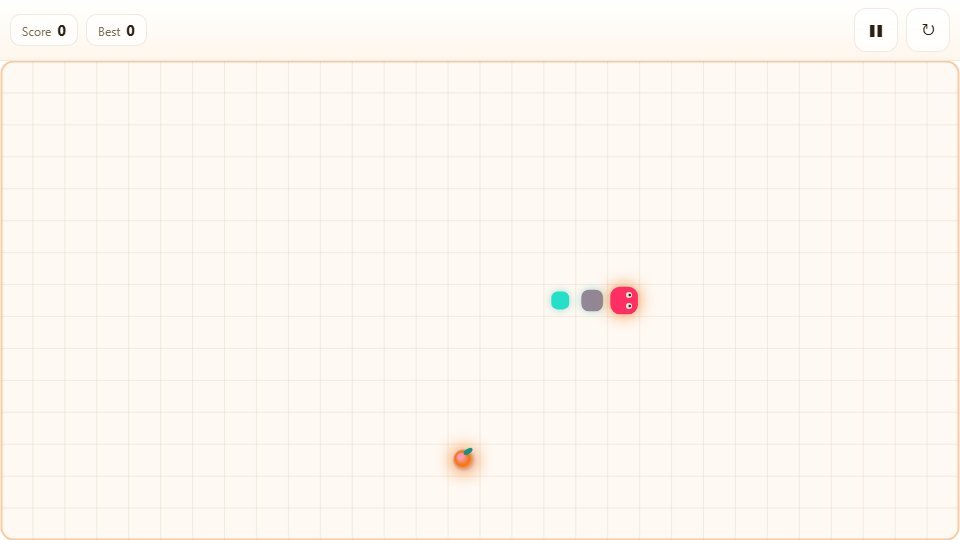
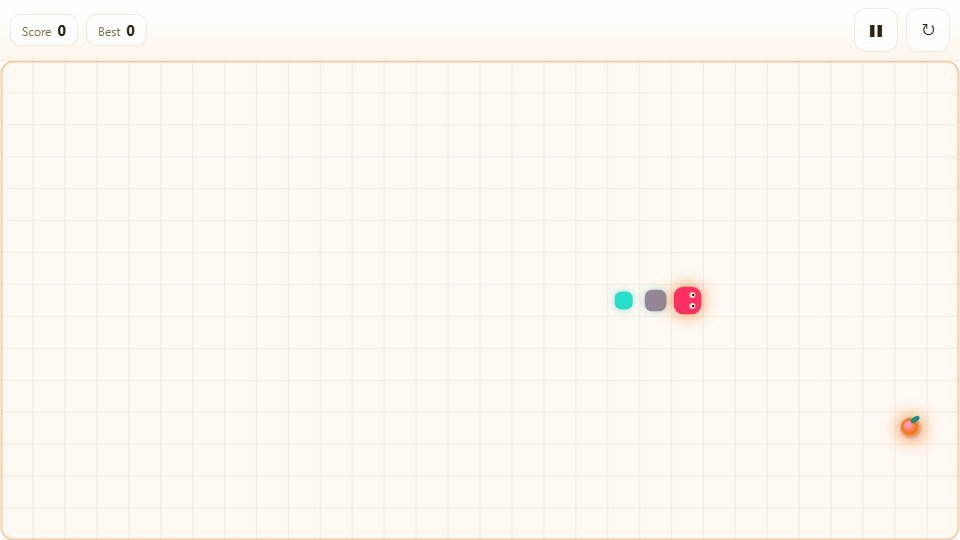
The oldest rule in arcade gaming: every pellet makes you longer and every turn gets tighter. How long can you hold on?
Five rows of bricks, three lives and a paddle you will swear is moving too slowly. Catch the drops or start over.
Brick Breaker takes the oldest idea in arcade gaming — a paddle, a ball and a wall of things to knock down — and shows why it never needed improving. You control only the paddle. The ball does what physics tells it to, and your job is to be in the right place at the right moment. Every bounce is a small decision, and every cleared row is a satisfying piece of progress that you can see accumulating in front of you.
Brick Breaker hands you a paddle at the bottom of the screen and a wall of blocks above it, then asks you to clear the lot without letting the ball past you. The premise has not changed since the arcade era, but the tension still works: the last few bricks take longer to clear than the first thirty, and the ball accelerates as your patience wears thin.
Where you meet the ball decides where it goes next. Hitting with the centre of the paddle sends it almost straight up, which is safe but slow. Hitting with the outer edge sharpens the angle and drives the ball toward the sides of the wall, which is how you reach bricks the middle cannot touch. Most players only use the centre and then wonder why the outer columns survive.
The most efficient runs aim for a narrow tunnel through the wall first, then send the ball up through that gap so it rattles around above the remaining bricks. A ball trapped up there clears several rows before it comes back down, which is worth far more than any single well-aimed shot from below.
With a handful of bricks left and a faster ball, the temptation is to chase. It almost always ends badly. The reliable approach is to keep the paddle calm, return the ball straight, and wait for a predictable angle rather than lunging at a shot you cannot reach. If you enjoy this kind of controlled reflex, Space Shooter asks for a similar rhythm with a very different layout.
A full board takes three or four minutes, needs no explanation, and works just as well on a phone as on a desktop. Nothing is downloaded and nothing is timed from the outside, so a session lasts exactly as long as you want it to.
Who it suits: A natural fit for a two-minute gap and for anyone who likes progress they can see. It rewards patience more than reflexes, which makes it unusually forgiving for an action game.
Yes, letting the ball drop past the paddle costs you one of your attempts. The board stays as you left it though, so you resume with the same wall rather than starting over.
It is designed for it. Dragging your thumb along the bottom of the screen moves the paddle directly, and there is no delay between your finger and the paddle.
Each board is a complete round rather than part of a numbered campaign. Finishing a wall presents you with a fresh one so you can keep playing for as long as you like.
Break a vertical channel through the middle early, then keep the ball circulating above the remaining bricks instead of hitting them one at a time from below.
Yes. Each wall is a fresh layout, and later walls introduce tougher bricks that take more than one hit, so the challenge grows without the rules ever changing.
The first wall is gentle and the tenth is not. Difficulty comes from ball speed and brick placement rather than from adding controls, so a beginner and an experienced player can both enjoy the same session.
brick breaker arcade breakout paddle drag skill
The oldest rule in arcade gaming: every pellet makes you longer and every turn gets tighter. How long can you hold on?
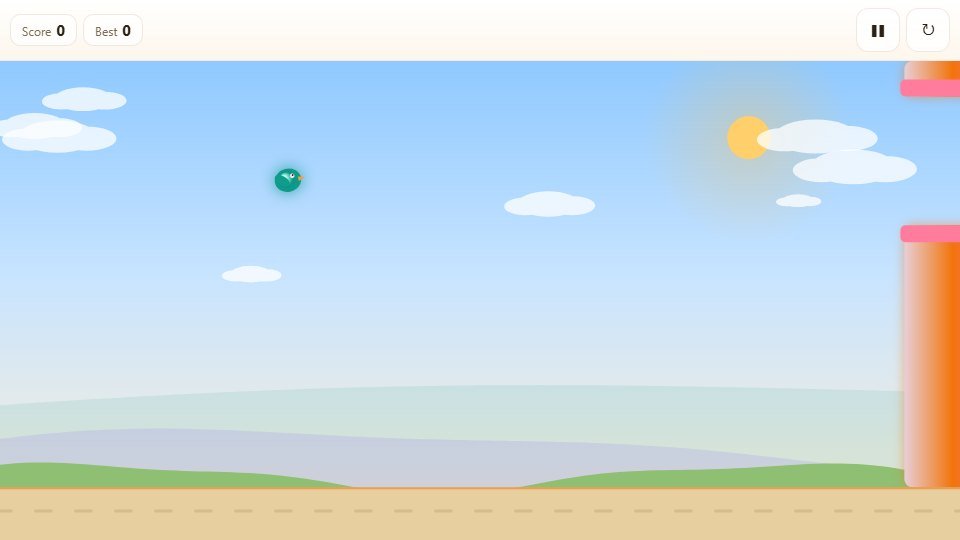
One tap lifts you, gravity does the rest. Thread the pipes until the gaps turn mean — nobody's first run is their best.