Arcade
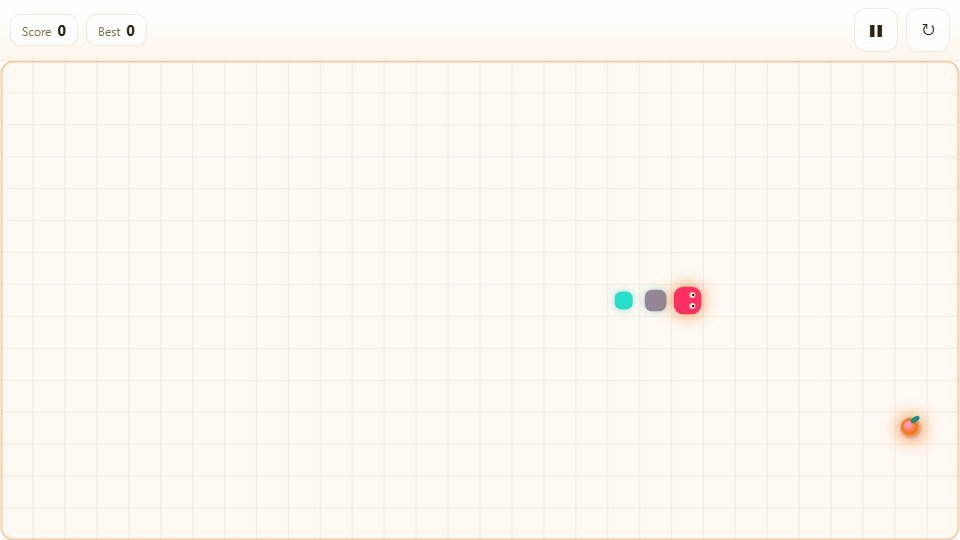
Snake Run — Eat, Grow, Don't Bite
The oldest rule in arcade gaming: every pellet makes you longer and every turn gets tighter. How long can you hold on?
One tap lifts you, gravity does the rest. Thread the pipes until the gaps turn mean — nobody's first run is their best.
Sky Hopper takes the most misunderstood mechanic in mobile gaming — tap to fly — and gives it a landscape worth looking at. Each tap lifts you, gravity pulls you down, and the gaps between the pillars get narrower the further you go. There is exactly one input and no way to make it complicated, which means every failure is honest and every improvement is entirely your own.
Sky Hopper gives you a bird, a steady downward pull, and an endless series of gaps between obstacles. One tap lifts you, gravity takes you back, and the entire game is the negotiation between those two forces. It takes about four seconds to understand and considerably longer to master.
The most common mistake is holding the tap too long and shooting upward into the top obstacle. Rhythm is everything here: a stream of tiny taps keeps you level, whereas one long press throws off your line and forces a correction you cannot afford. Players who clear long distances almost always tap more often and more gently than beginners.
By the time you are level with a gap, your position for the following one is already determined. Play slightly ahead — decide your altitude for the next opening before you reach the current one, and aim to arrive at its centre rather than its edge. That margin is what buys you the second of reaction time when the spacing tightens.
New players panic and tap constantly, which sends them into the ceiling. Letting yourself fall a short distance is often the correct move, because descending is predictable while climbing is not. Trusting the drop gives you a stable altitude to work from, and stable altitude is how long runs are built.
A run lasts between five seconds and two minutes depending on how well you are going, which is exactly the shape of a good short-break game. Restarting is instant, so there is no waiting between attempts. If you want a less punishing reflex test in the same spirit, Bubble Pop offers the same quick-restart rhythm without the gravity.
Who it suits: The classic one-thumb game and the best possible demonstration of why that control scheme matters. Playable standing up, holding a bag, on a moving train.
It varies within a set range rather than being fully random, which keeps the game fair while still preventing you from memorising a fixed pattern.
Leaving the tab effectively pauses the game since nothing is timed, and you can resume by tapping again when you return.
The obstacles approach at a consistent speed, so the rising difficulty comes from tighter spacing and your own fatigue rather than an acceleration curve.
Passing twenty gaps is a solid early target. Most players double that within their first few sessions once they stop holding the tap too long.
Because it is precise rather than complicated. There is only one input, so the difficulty comes entirely from timing and rhythm, and both of those improve quickly with short, focused practice.
The gaps randomise, so no two runs are identical. That is deliberate — a fixed layout would quickly become a memory test rather than a rhythm test.
flappy tap endless timing arcade one button
The oldest rule in arcade gaming: every pellet makes you longer and every turn gets tighter. How long can you hold on?
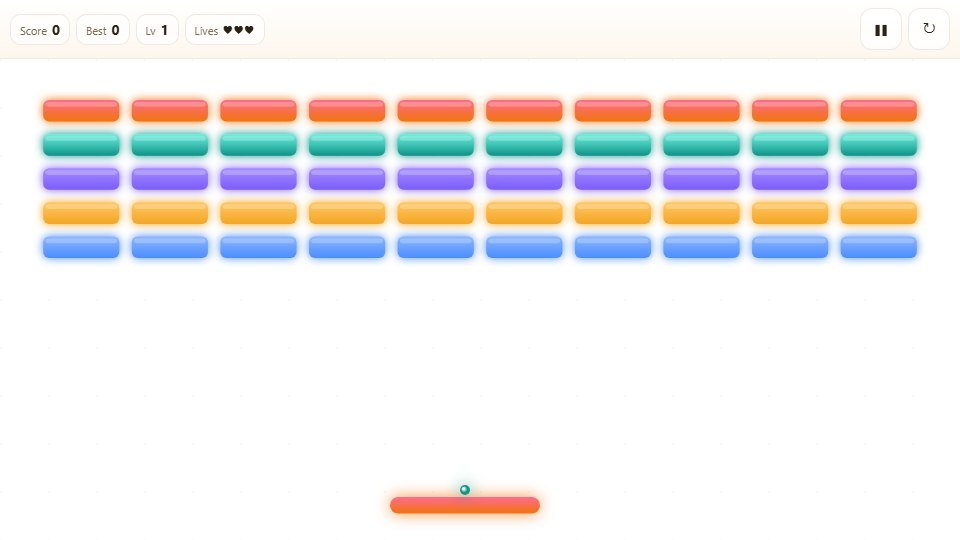
Five rows of bricks, three lives and a paddle you will swear is moving too slowly. Catch the drops or start over.
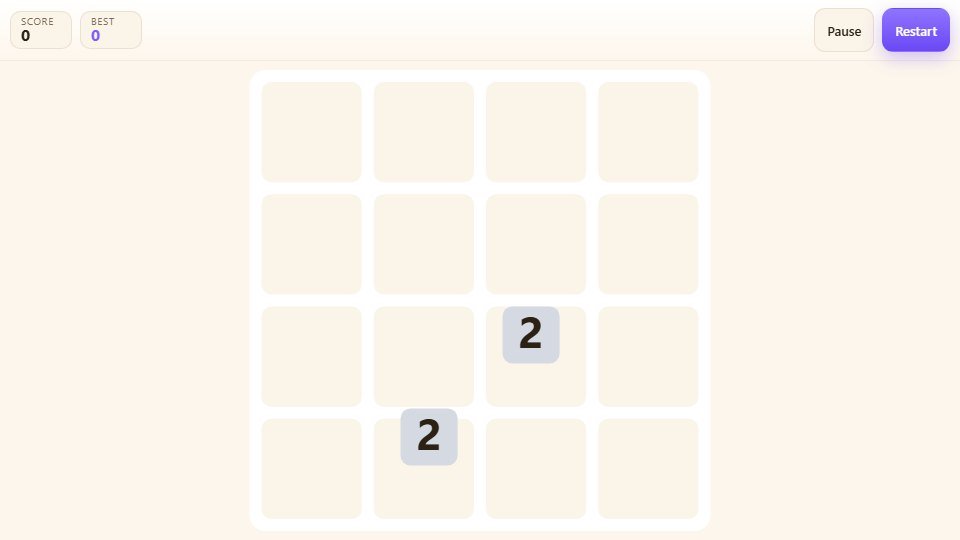
Two tiles, one thumb. Slide the board, merge the twins and build a 2048 block before the grid fills up.