Board & Classic
Three in a Row — You Move First
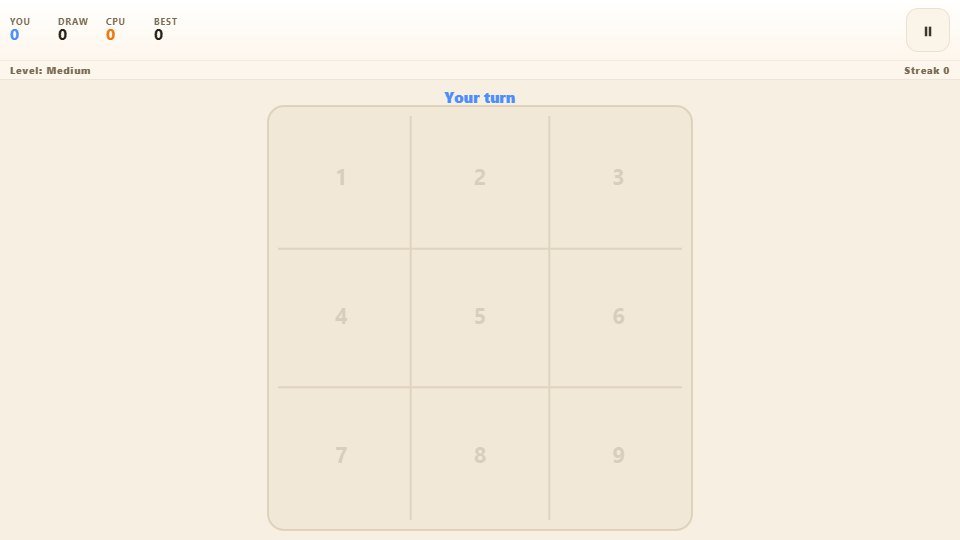
Nine squares, an opponent that never rushes and the first move always yours. Hard mode does not forgive a lazy corner.
Seven columns, gravity doing the work, and four in a line to win it. Build the trap before your opponent sees it coming.
Connect Four adds gravity to the idea of a line of four, and that single rule change turns a children's game into a real strategic contest. Pieces drop to the lowest free slot in a column, so every move you make also changes the board underneath it. The result is a game where planning two moves ahead is not a luxury but a requirement, and where a clever move near the bottom can decide a game ten moves later.
Connect Four is simple to describe and surprisingly deep to play. Players take turns dropping discs into a seven-column frame, and the first to line up four of their own colour wins. Because discs stack, every column you commit to shapes the columns around it, and a move that looks harmless early can hand your opponent the winning diagonal twenty turns later.
Discs dropped in the middle can be part of a horizontal line, a vertical line, or a diagonal in either direction. Discs on the edges only participate in about half as many possible lines. Opening in the centre is therefore not a stylistic choice but a mathematical one, and experienced players will contest it immediately.
The winning pattern in Connect Four is the double threat: a move that creates two separate unfinished lines at the same time. Your opponent can only block one, so the other completes next turn. Learning to spot these, and to deny your opponent the space to create them, is effectively the whole competitive game.
Beginners scan horizontally. Most losses arrive on a diagonal, because diagonals are harder to read at a glance and easier to build quietly underneath stacked rows. Before each drop, trace the two diagonal lines that pass through the square you are about to fill.
Single rounds finish quickly and the AI opponent makes it easy to play alone without losing the tactical edge. If you enjoy this kind of positional thinking, Tic Tac Toe is the lighter version of the same idea, and Board & Classic holds the rest of the collection.
Who it suits: A step up from tic-tac-toe for anyone ready for real planning, and an excellent two-player game to share on one phone.
It can end in a draw if the board fills completely with no four in a line. That is rare with casual play but common between evenly matched, defensively minded players.
Slightly, which is why opening in the centre column matters. That advantage is small enough that a better second player usually still wins through superior play.
Undo is not offered, since being unable to take a move back is central to the tension. Resetting the board is instant if you want a clean start.
It blocks any immediate threat and builds its own lines, which makes it a useful practice partner without being unbeatable. It is a good opponent for learning to spot double threats.
If you move first and play perfectly, the game is theoretically winnable, but the sequence is long and unforgiving. In practice, most games are decided by who spots the double threat first.
Yes, it is designed for it. Players alternate turns and the board is equally readable from either side, so passing the phone back and forth works perfectly.
connect four board strategy vs computer tap logic
Nine squares, an opponent that never rushes and the first move always yours. Hard mode does not forgive a lazy corner.
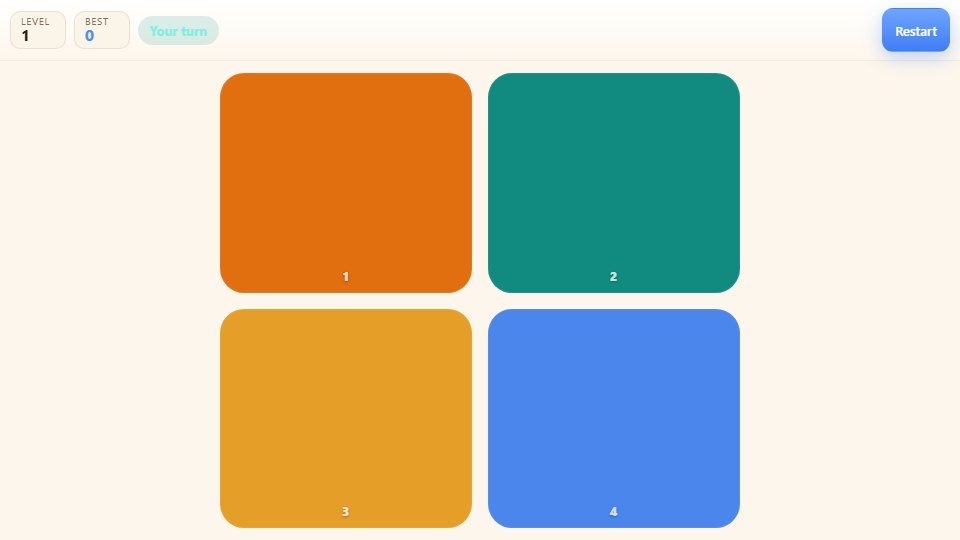
Four pads, one sequence and a memory that gets shakier every level. One wrong tap sends you back to the start.
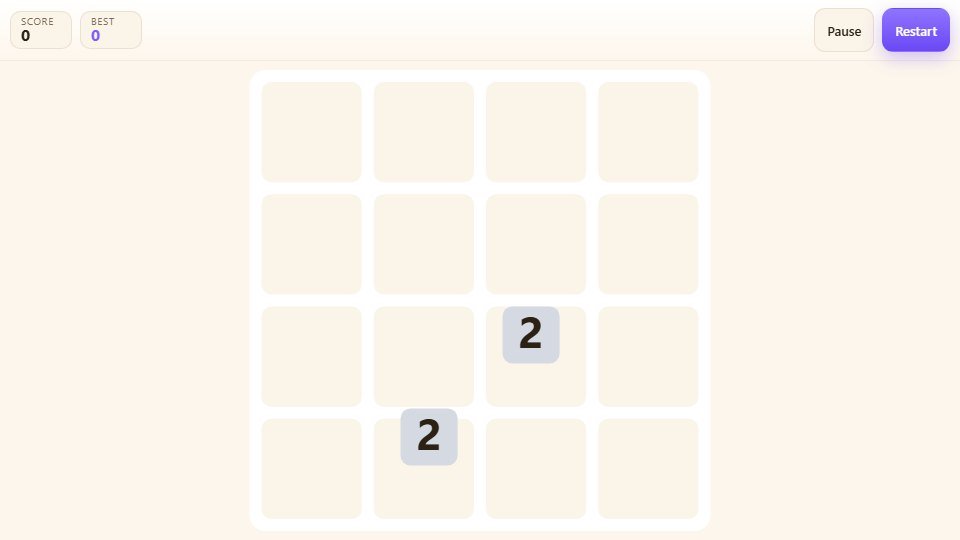
Two tiles, one thumb. Slide the board, merge the twins and build a 2048 block before the grid fills up.