Board & Classic
Drop Four — Seven Columns
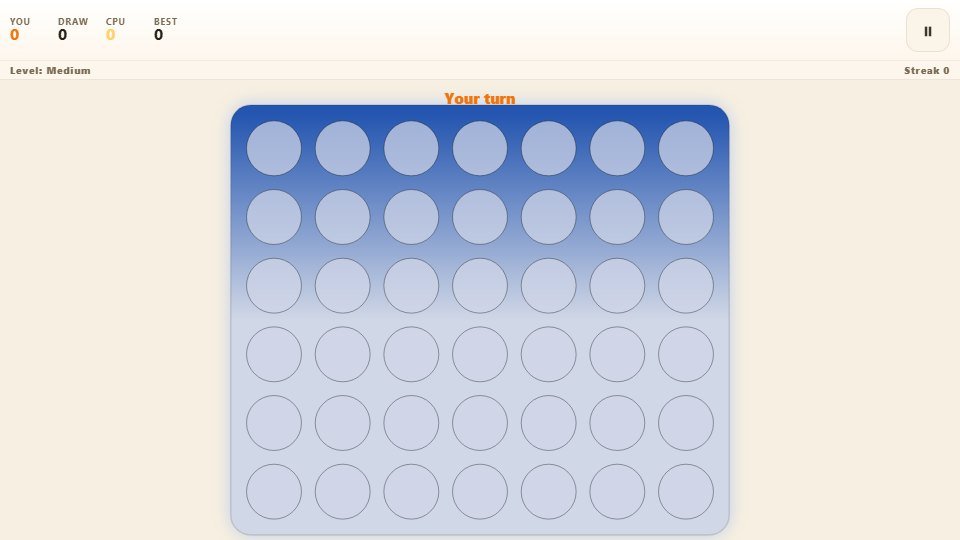
Seven columns, gravity doing the work, and four in a line to win it. Build the trap before your opponent sees it coming.
Nine squares, an opponent that never rushes and the first move always yours. Hard mode does not forgive a lazy corner.
Tic Tac Toe is the smallest complete strategy game there is, and playing it against a competent opponent is a genuinely useful exercise. The grid is three by three, the pieces are crosses and circles, and the goal is a line of three. What makes it worth playing is not the game itself but what it teaches: that a draw against good play is a real result, and that the correct move is often the defensive one you did not want to make.
Tic Tac Toe is the smallest version of a strategy game: a three-by-three grid, two players, nine squares, and one winning condition. Played perfectly it always ends in a draw, which sounds like a weakness until you realise it makes the game a clean test of whether you can avoid the single mistake that loses it.
Corners belong to three potential lines each, edges to only two, and the centre to four. If you cannot claim the middle, a corner is the next best square. Playing an edge on your first move is the most common beginner error and the quickest way to hand the initiative away.
You cannot win against a careful opponent by force. What you can do is create a fork — a move that produces two separate threats at once — so that blocking one still leaves the other. Recognising the three or four standard fork shapes and refusing to allow them is the entire strategic content of the game.
The reflex when you are behind is to build your own line. The correct habit is to scan your opponent's shapes first: two in a row with an open third square must be blocked, and a move that blocks while also advancing your own line is the best play available.
A round takes under a minute and the board resets instantly, so it works well as a thinking break. It is also the ideal first step before Connect Four, which takes the same idea of blocking and forks and stretches it across a much larger board.
Who it suits: Perfect as a learning game for a child and as a quick, honest duel for an adult. Pass-and-play turns it from a puzzle into a conversation.
Not against perfect play by both sides — the theoretical result is always a draw. In practice you win by capitalising on an opponent's missed block or a fork they fail to see.
It plays solidly and blocks obvious threats, which makes it a good training partner. It rewards patient, disciplined play rather than reckless attempts to force a win.
Going first gives you the initiative and the chance to force a draw at minimum, which is why the opening centre or corner matters. It is not enough to guarantee a win.
A fork is a single move that creates two separate winning threats. Your opponent can only block one of them, so you complete the other on your next turn.
Against an opponent playing correctly, no — the game is a theoretical draw. You can win by forcing a mistake, which is exactly why it is a good game to practise against a computer rather than only against people.
Yes. The value is in learning why a position is drawn, and that lesson transfers directly to larger strategy games such as chess and draughts.
tic tac toe board strategy vs computer tap classic
Seven columns, gravity doing the work, and four in a line to win it. Build the trap before your opponent sees it coming.
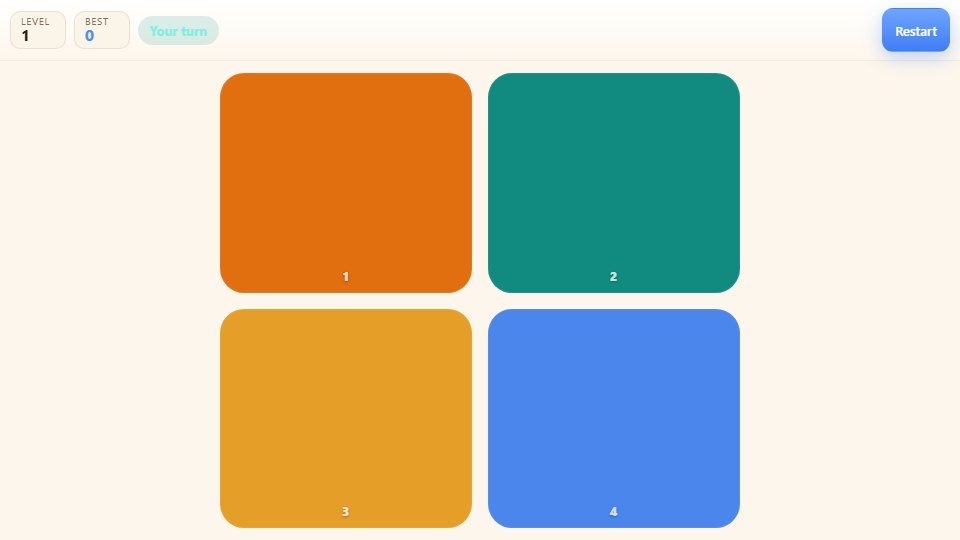
Four pads, one sequence and a memory that gets shakier every level. One wrong tap sends you back to the start.
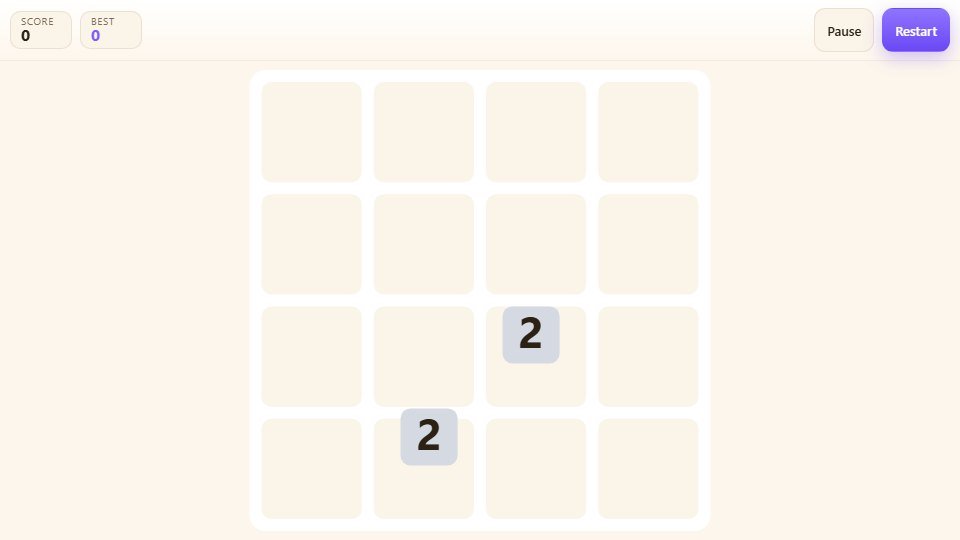
Two tiles, one thumb. Slide the board, merge the twins and build a 2048 block before the grid fills up.