Why Puzzle Games Are the Best Ten-Minute Break (And How to Take One Properly)
Guides · Published 2026-09-28
Ask anyone how they take a break and you will usually get the same answer: they pick up the phone and scroll. Twenty minutes later they feel worse than before they stopped. The problem is not the break, it is what fills it. Scrolling is passive, endless and slightly stressful; a puzzle is the opposite on all three counts.
What makes a good break actually restorative
Three things matter. It should have a clear beginning and end, so your brain registers that the break finished. It should demand just enough attention that you cannot ruminate about work. And it should be short enough that you do not lose the thread of what you were doing.
A puzzle with a defined goal hits all three. You start a board, you reach an end state, you close the tab. There is a completion signal, and completion signals are what make a break feel like a break rather than an escape.
Why puzzles specifically
Puzzle games ask you to hold a small set of rules in mind and plan two or three moves ahead. That is exactly the right amount of cognitive load: enough to crowd out worry, not so much that you are tired afterwards. It is also why puzzles are so easy to return to. You never forget how to play, so even a ninety-second session feels worthwhile.
Three that suit a short break
2048 Merge is the cleanest example: no timer, no lives, and a natural stopping point when the board fills. Memory Match is the opposite discipline, a fast visual recall game where a round takes about ninety seconds and your score is entirely about how carefully you look. If you want something quieter, Sliding Puzzle is the classic that has been resetting people's heads for over a century.
You will find more in our Puzzle section, and if you want variety without thinking about it, the Board & Classic games are a good second stop.
How to take the break properly
- Set the boundary before you start. One board is one break. Deciding that up front is what keeps it to ten minutes.
- Close the tab when you finish. Leaving it open turns a break into background noise.
- Stand up afterwards. The physical movement is half the benefit.
The point is not the score
It is tempting to chase a personal best, and there is nothing wrong with that, but the real return on a puzzle break is attention. Ten focused minutes on a grid does more for the afternoon than thirty unfocused minutes on a feed. Pick one game, keep it in a tab, and treat it as a tool rather than a habit.
Related reading
All guides ›- How Much Mobile Data Do Browser Games Actually Use in Malaysia?Guides · A practical breakdown of data use for browser games on Malaysian mobile plans, with real numbers, and how to k
- Can You Play Browser Games Offline? Yes — Here Is How It WorksGuides · How browser games keep working with no signal, what you need to do before you lose coverage, and why the games
- Do Brain Training Games Work? An Honest Look at Memory GamesGuides · What memory games genuinely train, what the research actually supports, and how to practise without wasting yo
- Classic Board Games You Can Play Online for Free (and Why They Still Work)Guides · Chess, draughts and their relatives explained for a browser: how to learn them, how to play against a friend o
More games like this
Browse all games ›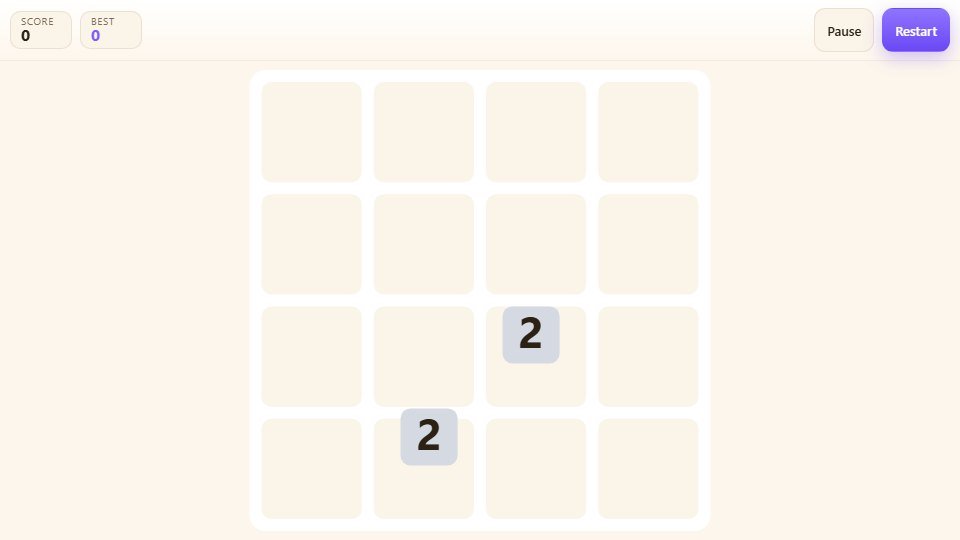
2048 Blocks — Merge the Numbers
Two tiles, one thumb. Slide the board, merge the twins and build a 2048 block before the grid fills up.
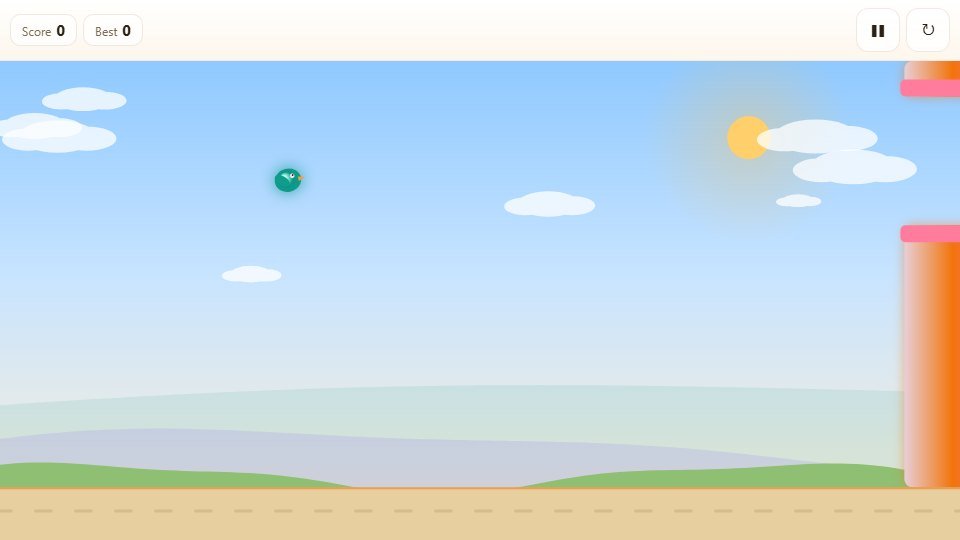
Gap Flyer — Tap to Stay Up
One tap lifts you, gravity does the rest. Thread the pipes until the gaps turn mean — nobody's first run is their best.
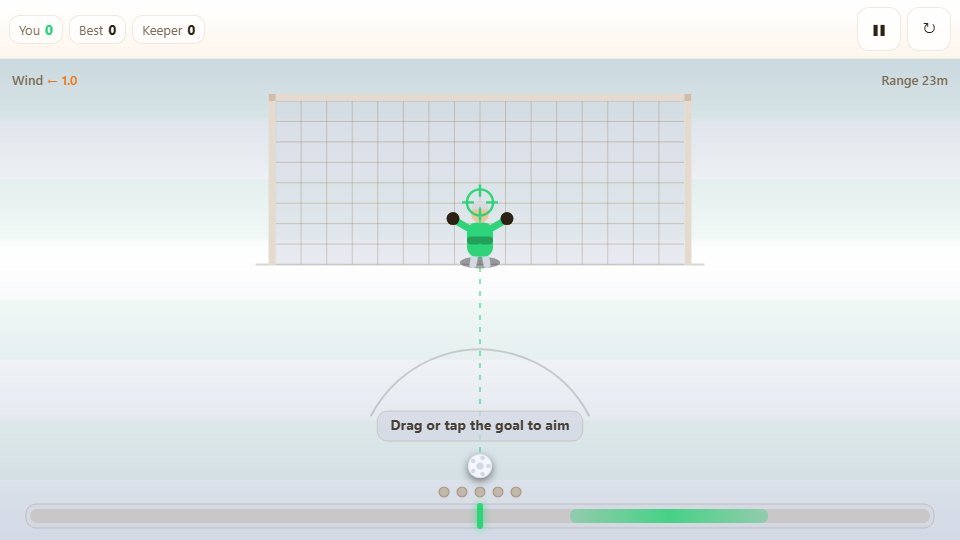
Penalty Shootout — Five Kicks
Five penalties, a keeper who starts reading your favourite corner, and a power bar that refuses to wait for you.