Sports
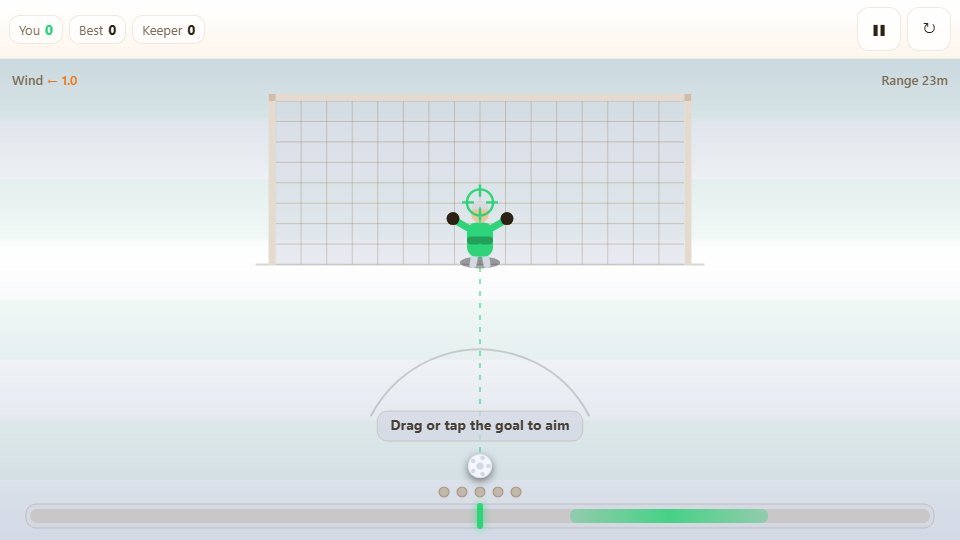
Penalty Shootout — Five Kicks
Five penalties, a keeper who starts reading your favourite corner, and a power bar that refuses to wait for you.
A top-down table, an opponent who returns everything, and spin that decides who survives the long rally.
Table Tennis is a rally game with a rhythm problem to solve: the longer you keep the ball alive, the higher your score, but each return leaves you further out of position. It rewards consistency over aggression, and it is the sport on this site that best matches the way the real game feels — calm, precise, and decided by who makes the fewer unforced errors.
Table Tennis strips the sport down to its core exchange: a paddle, a ball, a net, and an opponent who returns everything you send. The rally gets faster the longer it goes, so the game rewards consistency first and aggression second. Most points are lost, not won.
A fast ball hit straight back to your opponent is the easiest shot in the world to return. Hitting the ball at an angle so it lands away from where they are standing forces movement, and a moving opponent makes mistakes. Think of each shot as a question about where they are, not how hard you can hit.
After each shot, move back toward the middle of your end. Players who stay where they struck the ball are beaten by the very next return, because the ball can go to either side and they are already committed. Resetting your position is the single habit that extends rallies most reliably.
Reaching toward the ball, especially on a fast rally, shortens your own reaction time and produces wild shots. Meeting it slightly later with a compact swing keeps the return controlled. Patience wins points here; lunging loses them.
Each match is quick and the pace escalates naturally, so a game rarely drags. It works with a mouse on a desktop as well as with a finger on a phone, and it fits neatly into the Sports set alongside Penalty Kick when you want a session built around short, decisive skills.
Who it suits: For players who like a game that rewards patience, and for anyone who wants a two-player rally that stays close.
It does. A long exchange gradually gets quicker, which is what eventually forces a point to be decided rather than letting a rally continue forever.
Very much so. Mouse control is precise and often easier than a touchscreen for hitting angled returns, particularly on a desktop where you have more room to move.
The standard match is against the computer on a shared screen. For a genuinely head-to-head format, the split-screen games in the multiplayer collection are the better fit.
Being out of position. Most points are lost because the paddle is still on the side of the last shot when the ball comes back to the other side.
It is more forgiving of a slow start, because the score builds over a rally rather than per shot. That makes it a good choice if you are playing with someone who is new to games.
No - the CPU opponent holds its own at every setting, and solo play scores exactly the same as a shared screen.
table tennis ping pong sports vs cpu spin rally
Five penalties, a keeper who starts reading your favourite corner, and a power bar that refuses to wait for you.
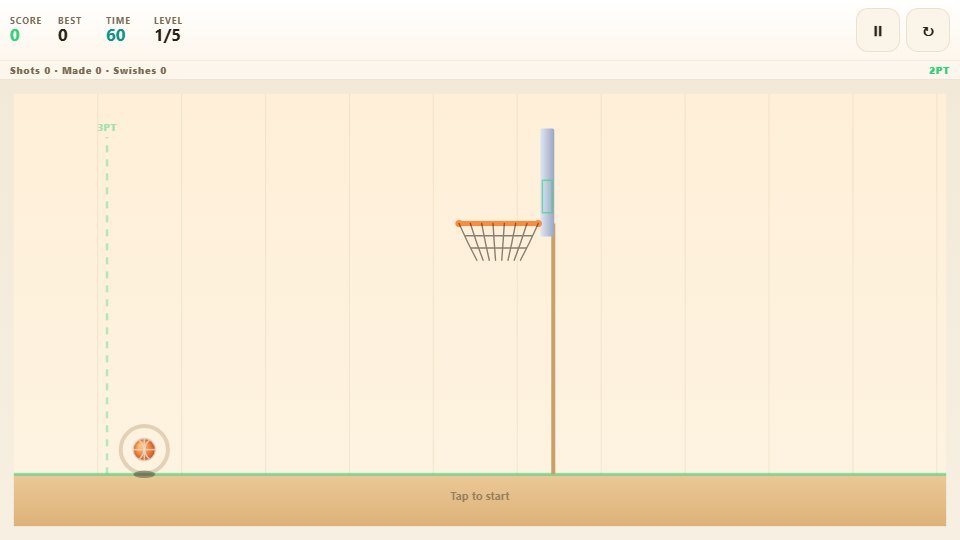
Pull back, release, repeat. Sixty seconds of basketball where the long shot is worth three and the clean net is worth more.
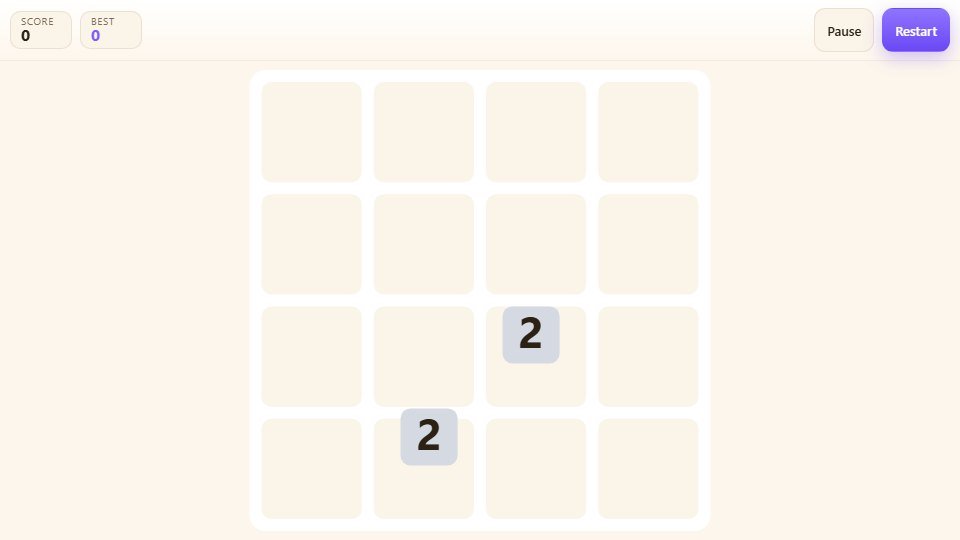
Two tiles, one thumb. Slide the board, merge the twins and build a 2048 block before the grid fills up.