Sports
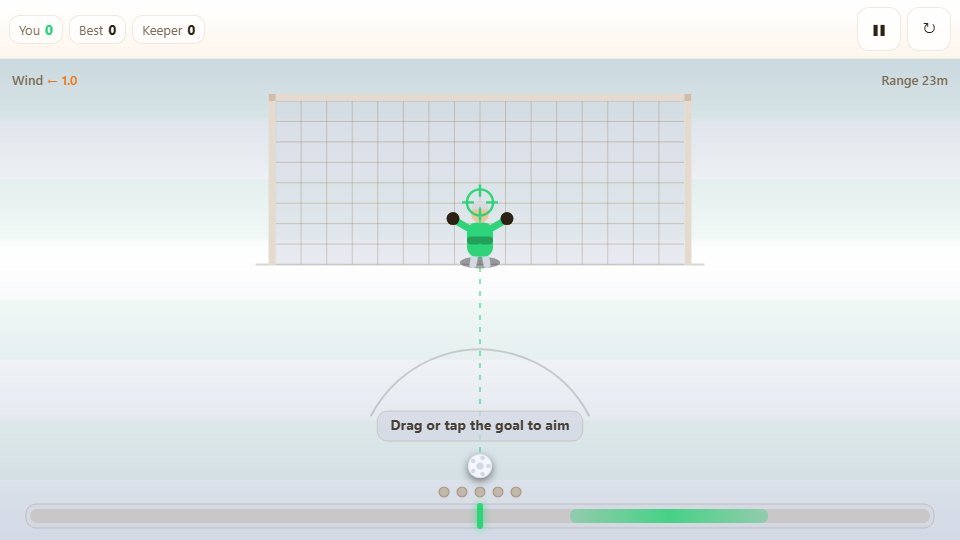
Penalty Shootout — Five Kicks
Five penalties, a keeper who starts reading your favourite corner, and a power bar that refuses to wait for you.
Pull back, release, repeat. Sixty seconds of basketball where the long shot is worth three and the clean net is worth more.
Hoop Shot condenses basketball into sixty seconds of shooting. You have the ball, you have the hoop, and you have a limited number of attempts to score as many as possible. There is no dribbling and no defence — just the part of basketball that everyone actually practises alone in a driveway. The whole game is the release point, and getting it right is one of the most satisfying feelings in our line-up.
Hoop Shot hands you a ball, a hoop, and a clock. Drag to set the angle and power, release, and repeat for a minute. The score is simply how many shots you sink, which makes it one of the cleanest measures of practice anywhere on the site — the same shot, over and over, with a number attached.
The first thing worth doing is discovering the drag that lands a shot from a comfortable position, then reproducing it exactly. Muscle memory built on a consistent, repeatable motion beats improvisation every time, especially once the timer starts squeezing your decisions.
When a clean attempt is available, take it. Chasing a spectacular long-range basket costs several seconds and usually misses, whereas two straightforward shots in the same window are worth double. The highest scores come from players who never take a low-percentage throw.
Power meters tell you roughly how hard you are throwing, but the trajectory line tells you where it will actually land. Reading the arc takes a couple of attempts to calibrate and then becomes far more reliable than judging a bar.
Long enough for a real run, short enough that restarting costs nothing, and simple enough that a first-time player understands it immediately. It shares that tight scoring window with Whack-a-Mole, and the rest of the Sports collection follows the same quick-session philosophy.
Who it suits: A favourite for short scoring attempts and for anyone who has ever shot hoops alone and wanted a scoreboard.
The hoop stays fixed so that the challenge is your own consistency. Any misses come from the throw you made rather than from a variable you could not control.
Yes. The physics are constant, which is what makes practice meaningful — the same drag produces the same shot every time, so improvement comes from you.
There is no fixed benchmark, but the useful target is your own best. Most players find their total climbs noticeably within three or four attempts once they settle on a reliable release.
It is built for it. Dragging from the ball gives fine control over angle and power, and the gesture is natural enough that no tutorial is needed.
It is stylised rather than a simulation. The physics reward good timing and consistent rhythm, which is the part of shooting that transfers from real basketball.
You have a fixed number of attempts in a sixty-second round, so accuracy and consistency matter more than speed. Missing early costs you the chance to build a rhythm.
basketball sports aiming arcade physics timed
Five penalties, a keeper who starts reading your favourite corner, and a power bar that refuses to wait for you.
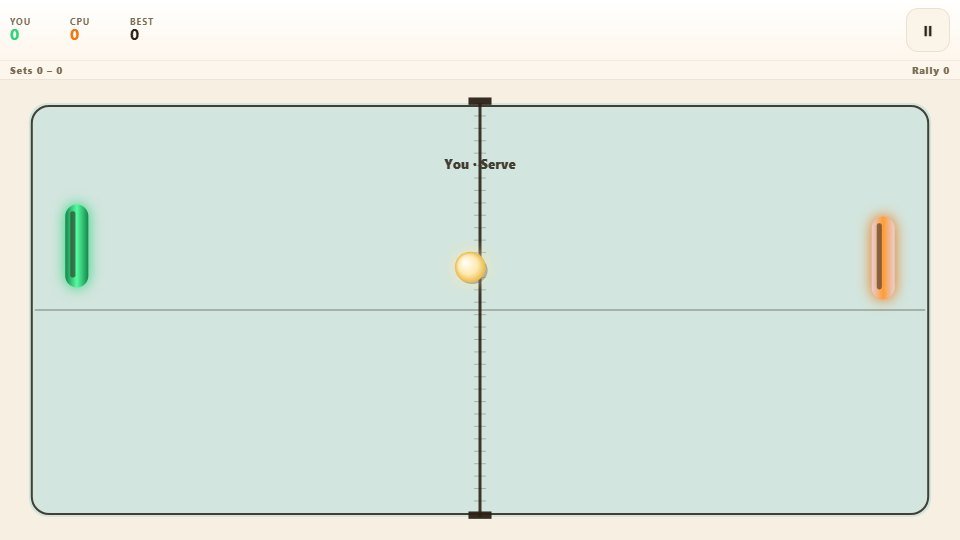
A top-down table, an opponent who returns everything, and spin that decides who survives the long rally.
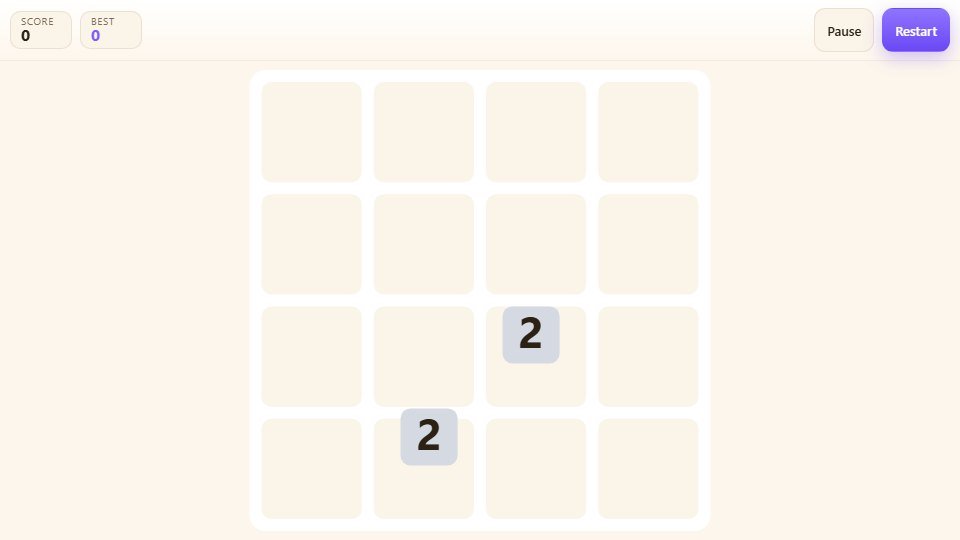
Two tiles, one thumb. Slide the board, merge the twins and build a 2048 block before the grid fills up.