How to Get Better at Any Game Faster (Without Grinding)
Tips and skills · Published 2026-10-11
Time spent playing is not the same as practice. Ten hours of half-attention produces a player who has played ten hours; ten hours of deliberate practice produces a player who is genuinely better. The difference is not talent. It is three specific habits.
Habit one: play with one goal per session
Before you start, choose a single thing to work on. In a puzzle game it might be keeping the corner tile anchored. In a racer it might be looking two seconds further down the road. One goal, five attempts, then stop. Players who improve always have something specific in mind; players who plateau are usually just playing.
Habit two: name your mistakes out loud
When a run ends, say what killed you before starting the next one. This sounds ridiculous and it is the single most effective change you can make, because naming a mistake stops it being automatic. If you cannot say why you lost, you were not paying attention, and that attempt was not practice.
Habit three: stop while you are still improving
The instinct after a good run is to keep going, and it is almost always wrong. End on a decent attempt rather than grinding to a frustrated sprawl of losses. Your brain consolidates what it just did; if the last thing it consolidated was frustration, that is what carries over to tomorrow.
What separates fast improvers from slow ones
- They slow down between attempts. Rushing from one run into the next means never converting the last one into a lesson.
- They stick with one game. Jumping between ten games builds shallow familiarity with ten and mastery of none.
- They review the loss, not the win. Wins teach you what you already do well; losses teach you what to fix.
- They keep sessions short. Reaction time and decision quality fall after fifteen minutes, so long sessions train you to play tired.
Applying it here
Pick one game from our line-up and give it a week of ten-minute sessions, each with a single goal. Do not switch games. At the end of the week, compare your best score to your day-one best; the change is usually obvious, and it is usually larger than people expect from three and a half hours of casual play. That is what deliberate practice buys you, even in a game you play for fun.
Related reading
All guides ›- 2048 Strategy: How to Actually Reach the 2048 TileTips and skills · The corner method, why you should never swipe up casually, and the specific mistakes that end most games befor
- Why Your Phone Gets Hot When Gaming, and What Actually HelpsTips and skills · The real causes of gaming heat and battery drain on Malaysian phones, the settings that fix most of it, and th
- How Much Mobile Data Do Browser Games Actually Use in Malaysia?Guides · A practical breakdown of data use for browser games on Malaysian mobile plans, with real numbers, and how to k
- Can You Play Browser Games Offline? Yes — Here Is How It WorksGuides · How browser games keep working with no signal, what you need to do before you lose coverage, and why the games
More games like this
Browse all games ›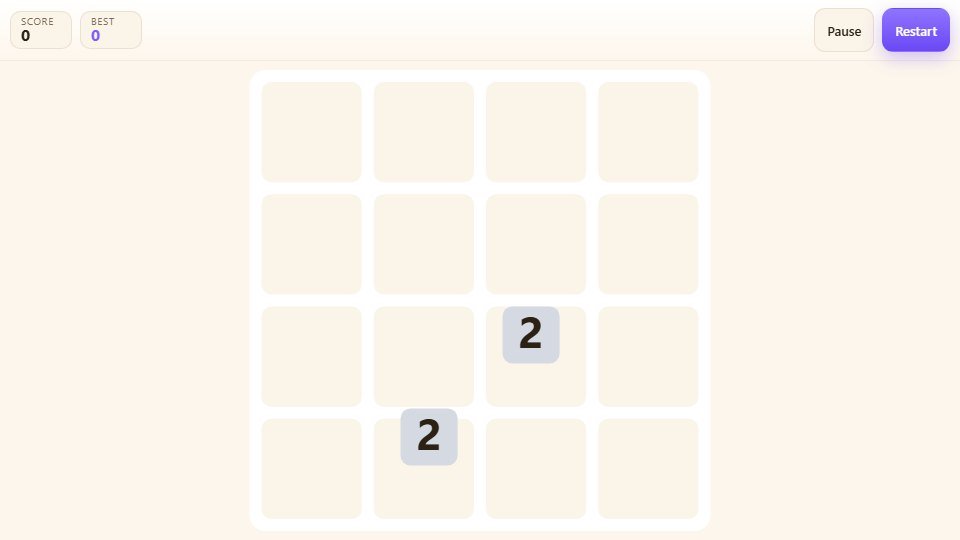
2048 Blocks — Merge the Numbers
Two tiles, one thumb. Slide the board, merge the twins and build a 2048 block before the grid fills up.
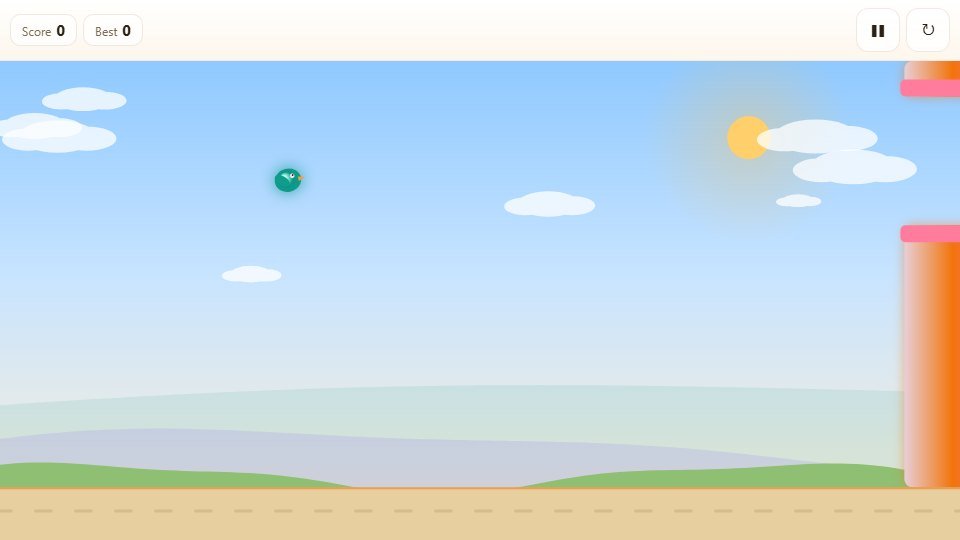
Gap Flyer — Tap to Stay Up
One tap lifts you, gravity does the rest. Thread the pipes until the gaps turn mean — nobody's first run is their best.
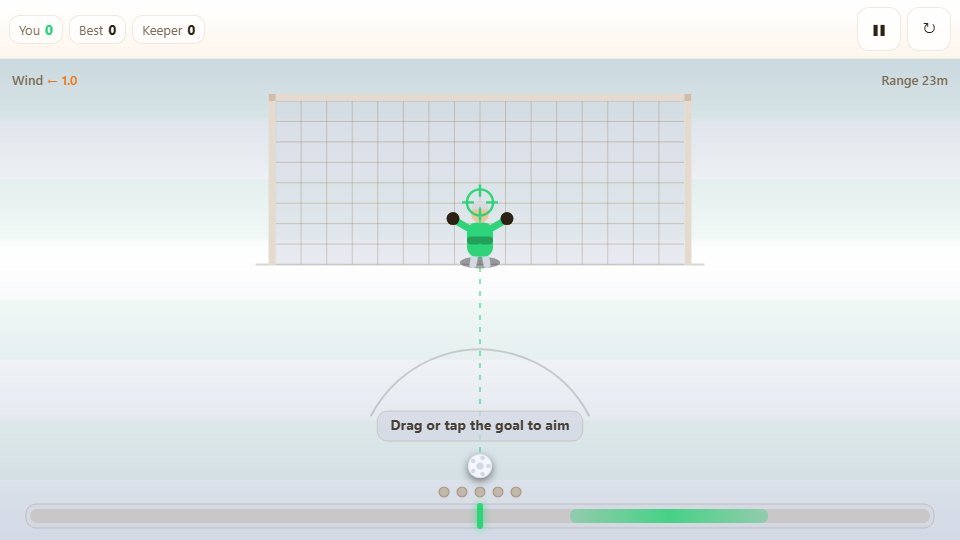
Penalty Shootout — Five Kicks
Five penalties, a keeper who starts reading your favourite corner, and a power bar that refuses to wait for you.