Walking Pace
This corridor is for journeys made on foot, at a speed that lets you notice things. Every game here has one character who walks, one place that can be explored, and one reason to reach the end of the road. Accepted: games where moving is the main work, where the camera follows from behind or from the side, and where no timer forces you to run. Rejected: driving games, parking games, races, and anything that makes an engine the real character. We also reject anything that opens with a long video or asks you to buy a map before the road begins. A corridor here usually takes eighteen to twenty minutes, and you can stop at any point without losing your place.
 Formula Car StuntWalking Pace
 Bad Cat Prankster Moms ReturnWalking Pace
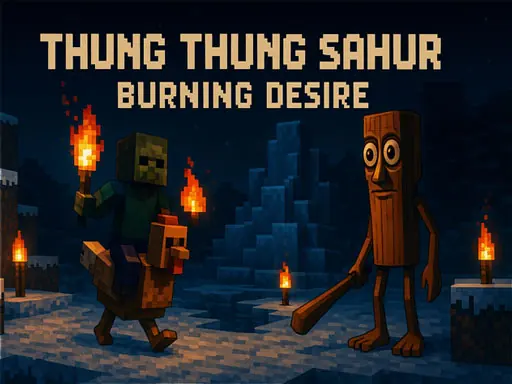 Thung Thung Sahur Burning DesireWalking Pace
 Terra Craft WorldWalking Pace
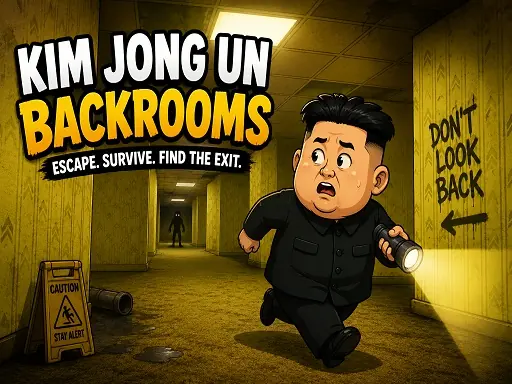 Kim Jong Un BackroomsWalking Pace
 Dog and Cat SweetWalking Pace
 Dig to the Weirdest WorldWalking Pace
 Obby: Fish trainingWalking Pace
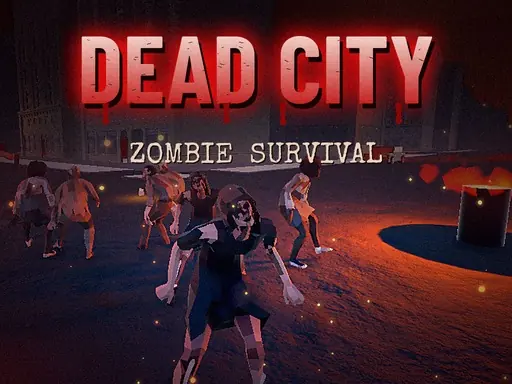 Dead City: Zombie SurvivalWalking Pace
 Airplane Simulator GameWalking Pace
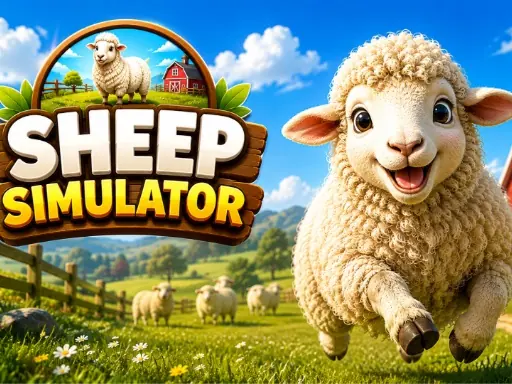 Sheep Simulator Animal GamesWalking Pace
 Epic Runner Parkour GameWalking Pace
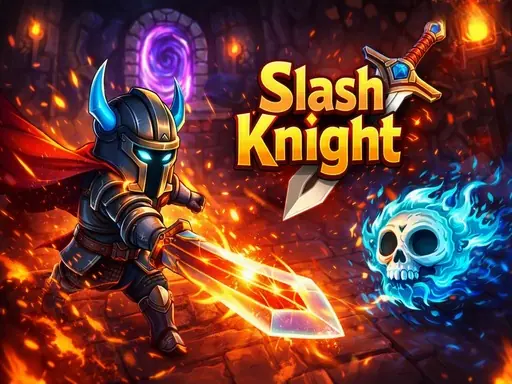 Slash KnightWalking Pace
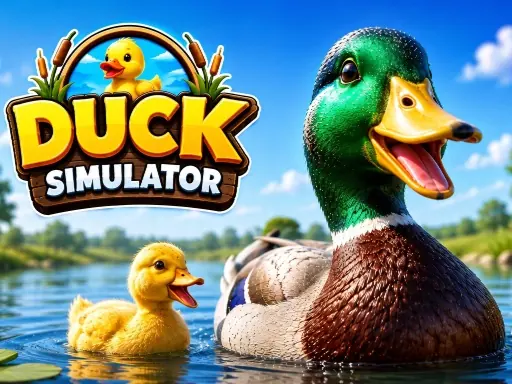 Duck Family Simulator Animal GamesWalking Pace
 Paper MinecraftWalking Pace
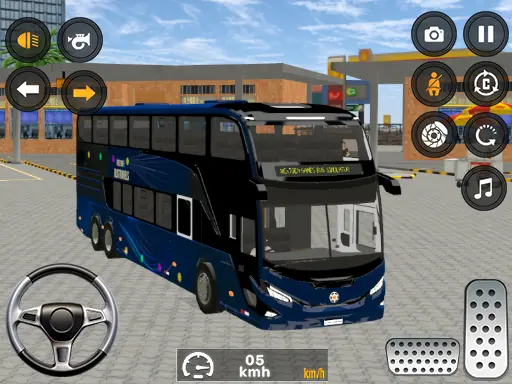 City Coach Driving Games 3dWalking Pace
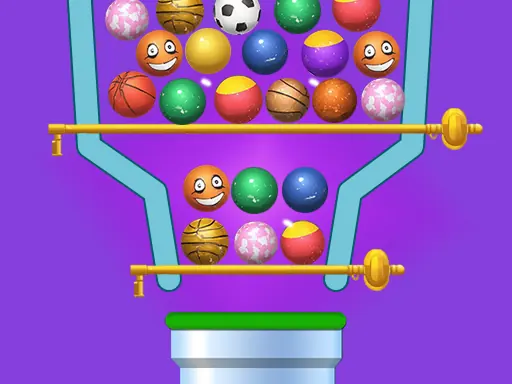 Prime Ball Adventure GameWalking Pace
 Farming Tractor GameWalking Pace
 Offroad Jeep SimulationWalking Pace
 Skibidi Toilet Melon SandboxWalking Pace
 Terminal NineWalking Pace
 99 Nights In The ForestWalking Pace
 School Stories: Teacher SimWalking Pace
 Ninjas ReturnWalking Pace
How Walking Pace plays in the browser
Accepted: games where moving is the main work, where the camera follows from behind or from the side, and where no timer forces you to run. Rejected: driving games, parking games, races, and anything that makes an engine the real character. We also reject anything that opens with a long video or asks you to buy a map before the road begins. A corridor here usually takes eighteen to twenty minutes, and you can stop at any point without losing your place.
All 48 games in this section run inside the tab: no install, no account, no download. Tap a title and the game opens on this same page.
- One tab, one game. Close the tab and the session is over.
- Finger controls or keyboard, depending on the title.
- Scores stay in this browser, so there is no account to maintain.
Three titles to open first
Picked from the 48 titles in this section.
- Formula Car StuntFormula Car Stunt is a browser Walking Pace game you can start in…
- Bad Cat Prankster Moms ReturnOpen Bad Cat Prankster Moms Return and you are already playing —…
- Thung Thung Sahur Burning DesireThung Thung Sahur Burning Desire is one of the easier Walking…
An older phone is enough
Every title here is built for a phone screen. Pages open in a couple of seconds on a mid-range handset, and you can close the tab without losing anything.
Terms in slow-walking games
Slow walking games reward observation rather than speed.
- View point
- Camera direction; stop and pan once before stepping.
- Safe distance
- The gap that lets you stop before an obstacle; it changes with the surface.
- Marker
- An easy landmark for the way home, such as a tree or a rock.
- Dead end
- A route that ends without supplies; enter only with spare time.
- Return bearing
- The direction home you memorise before going far; without it, exploring becomes getting lost.
- Light
- A light source; without it, safe distance halves.
- Supply
- Items collected; carrying too many slows your step.
- Trail
- Marks left behind; useful for the way back, not decoration.
In Walking Pace, players who mark the way home rarely get lost even with an incomplete map.
Questions players actually ask
Why does the game feel empty for the first two minutes?
Because the first stretch is deliberately uncluttered. Exploration games in this section open with a short walk that teaches the movement and the camera before anything can hurt you. If you are waiting for a prompt, stop waiting and walk to the edge of the map - the first landmark is usually visible from the start.
Am I supposed to find everything in one pass?
No. The maps are built for two or three passes: one to learn the shape, one to collect, one to finish. Trying to comb every corner on the first walk is why the section feels slow. Move through, note what you passed, and come back with a purpose.
Why can I see a path but not walk onto it?
Because the walkable surface is narrower than the drawn path. The art paints a wide trail; the collision mesh is a single line down the middle. If you are fighting the edge, aim for the centre of the trail rather than the pretty outer edge.
How do I know which direction is progress?
The direction that changes the background music or the ambient sound. In this section, audio is a more reliable signpost than scenery, because the scenery repeats and the audio does not. If the music has not changed in two minutes, you are circling.
Should I run or walk?
Walk unless something is chasing you. Running costs stamina in most titles here and skips the details that tell you where you are. The one exception is open ground you have already crossed: there is nothing to read there, so run it.
Why do the collectibles stop appearing after a while?
Because each map has a fixed set, and the ones left are behind something rather than in the open. When pickups dry up, stop scanning the ground and look up: ledges, rooftops and tree lines hold the last ten percent in almost every map.
What is the point of walking if there is no score?
The score is the map opening up. This section is built for the ten minutes after work, not for a leaderboard; the reward is a route you now know by heart. If you need a number, count the landmarks you can name without looking.
Why do I keep ending up back where I started?
Because the map is a loop, not a corridor. Loops are used here so that a wrong turn costs a minute rather than a restart. Learn two fixed landmarks - a tree shape, a building colour - and navigate by those instead of by direction.
Is it worth exploring off the main path?
Once, yes; repeatedly, no. Side paths hold one or two items and then rejoin the main route. Clear them on your first pass, then ignore them. Players who keep re-checking side paths spend most of the session walking the same fifty metres.
Why does the camera fight me in narrow places?
Because the camera collision is wider than the character. In a tight gap, the camera pulls back and swings rather than clipping through the wall, which makes the controls feel heavy. Slow to a walk in gaps and the camera settles within a second.
Player notes
I stopped trying to finish the map on the first walk and started treating the first pass as a look around. It is the only way the section makes sense. Now I know three maps by heart and I still take the slow route.
Player note, walks one map per evening
The audio is what tells me I am going the right way. I turned the music up and the map reading got much easier, which sounds backwards until you try it.
Player note, plays exploration games on a phone
Quoted and condensed from public player discussions; names shortened.
Common questions
- Do I need an account to play?
- No. All 48 games in this section play without registration: no email, no password, no verification step.
- How long does one session take?
- Most titles finish in three to ten minutes, which fits a break without leaving anything half-done.
- Is my score saved?
- Your best score stays in this browser as long as site data is not cleared. No account also means no sync across devices.
Further reading
- Testing an old phone before you start
- When the virtual stick feels slippery
- Progress gone: what to check first